
When flights stop without warning, the hardest part for travellers is not just changing a ticket. It is the basic stuff. Where do we sleep tonight, what do we eat, and who is responsible when airports are overloaded?
Over the past few days, the United Arab Emirates has moved quickly to reduce that stress for stranded passengers, especially those caught in the country due to regional airspace disruptions linked to the current security situation. Authorities have coordinated with hotels, airports, and national carriers so travellers are not left to manage sudden costs alone.
What the UAE announced
According to UAE General Civil Aviation Authority (GCAA) statements cited by multiple outlets, the UAE said it is bearing accommodation and hosting costs for affected and stranded passengers, alongside sustenance support during operational adjustments.
At the hotel level, a circular referenced by media reports requested properties to extend stays for guests who reached their checkout date but could not travel for reasons outside their control. In Abu Dhabi, the Department of Culture and Tourism indicated the cost of extended stays would be covered.
This matters because during large disruptions, hotel availability becomes a second crisis. Rooms sell out fast, prices can jump, and travellers who were only transiting can get stuck without local support networks.
How many travellers were affected
One of the most repeated figures in reporting is that more than 20,000 passengers were impacted and needed support, including temporary accommodation and meals.
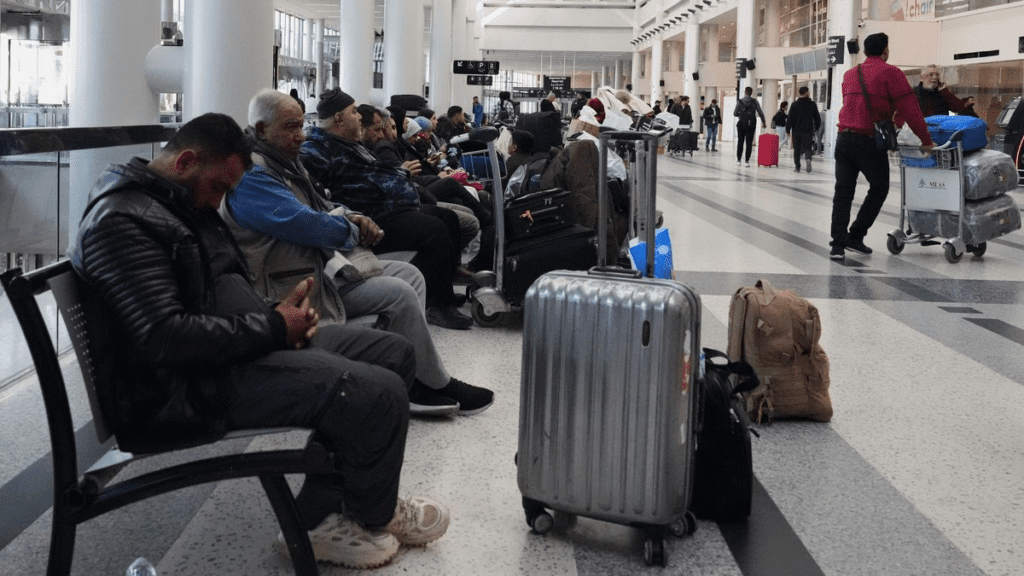
The exact numbers vary slightly by outlet and timing of updates. For example, The National reported that about 20,200 passengers had been assisted with temporary lodging, refreshments, and rebooking support through national carriers and airports.
Hotels and businesses also stepped in
Alongside government coverage, the private sector response in Dubai and Abu Dhabi has been unusually visible.
Gulf News highlighted a wider community effort where hotels, developers, holiday home firms, and even individuals offered free stays, meals, and transport for stranded passengers who were waiting for flight confirmations.
A clear example reported was Palazzo Versace Dubai, which announced complimentary stays including breakfast for stranded travellers, subject to availability and confirmation of travel status.
This combination is important. Government support helps at scale, while hotels and businesses can act fast with on-ground flexibility.
Why this response is a big deal for UAE tourism
The UAE has built a global travel reputation around reliability, premium hospitality, and smooth transit. Any disruption threatens that trust, especially because Dubai International Airport is one of the busiest international travel hubs in the world.
Recent analysis from Reuters described how the conflict-driven disruption is hitting Middle East tourism, a sector worth about $367 billion annually across the region. The same report cited World Travel & Tourism Council (WTTC) data that international tourists spent an estimated $194 billion in the region last year.
It also included hard indicators of immediate demand shock. For example, UAE vacation rental cancellations more than doubled on one day to around 8,450 units, according to AirDNA data mentioned in the report, with many cancellations linked to March stays.
And the forward-looking risk is not small. Tourism Economics estimated that, depending on how long the conflict and sentiment effects last, the region could see 23 million to 38 million fewer visitors than expected this year, with potential visitor spend losses of $34 billion to $56 billion.
In that context, paying for hotel stays and meals is not only a humanitarian move. It is also brand protection. It reduces panic, limits bad experiences, and signals that the country can manage disruption without leaving travellers stranded and unsupported.
What stranded travellers should do right now?
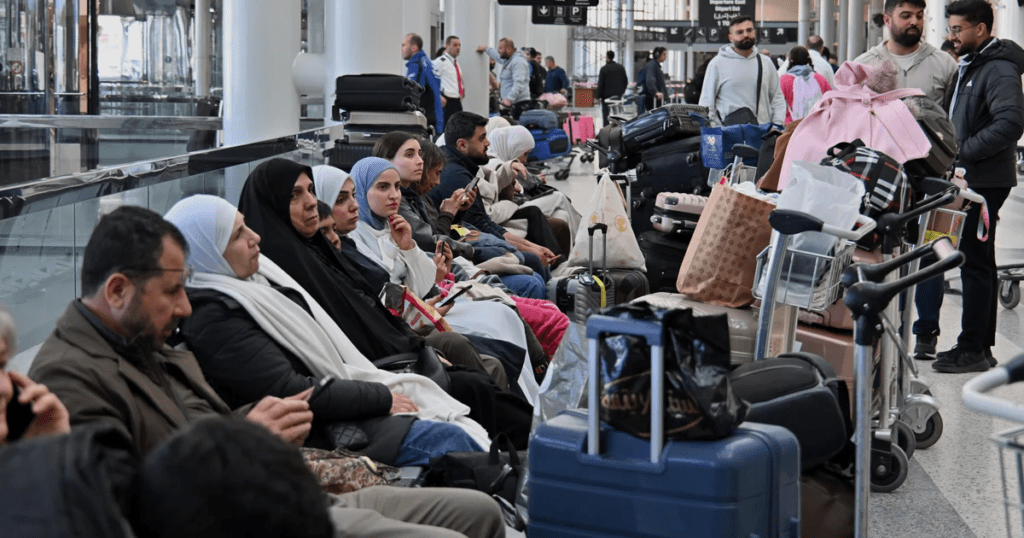
If you or someone you know is currently stuck in the UAE due to cancellations or schedule suspensions, these steps align with what authorities and coverage suggest is happening on the ground:
1. Keep proof of disruption ready
Save your boarding pass, booking reference, cancellation message, and any airline communication. Hotels offering complimentary stays typically request confirmation of travel status.
2. Contact your airline first for rebooking
Even when accommodation and meals are supported, rebooking still runs through the airline or the carrier operations desks at the airport, as reported by outlets describing the integrated response between airports and national carriers.
3. Speak to your hotel before checkout time
If you are already checked in and your flight is cancelled, do not wait until the last hour. The Abu Dhabi directive described in reporting focused specifically on guests who reached checkout but could not travel, and requested hotels to extend stays.
4. Use official guidance and avoid rumours
During fast-moving disruptions, misinformation spreads quickly on social media. Stick to updates from airport operators, your airline, and UAE official announcements.
The bottom line
The United Arab Emirates’ response is being shaped around a simple promise: stranded travellers should not be forced to absorb sudden hotel and meal costs caused by flight disruptions outside their control. Official support via the UAE General Civil Aviation Authority (GCAA), directives to hotels in Abu Dhabi, and visible private sector support in Dubai are all working together to reduce hardship for thousands of affected passengers.
And with reporting pointing to more than 20,000 impacted passengers and broader tourism losses that could reach tens of billions of dollars if disruption continues, the stakes are not only personal for travellers, they are economic for the region too.
Recommended Articles:
How to Amend Business Activity in Dubai License
Tips to Avoid Delays in Company Registration UAE
Is Internal Accountant Better Than Outsourcing UAE? A 2026 Decision Guide for Business Owners
Why Dubai Is Best For Startup Founders In Middle East In 2026
Can Cloud Accounting Work for UAE Businesses in 2026? A Practical, Compliance-First Guide