Can cloud accounting work for UAE businesses?
In 2026, this is no longer a theoretical discussion. With corporate tax enforcement active, VAT audits becoming more structured, and banks tightening financial reviews, accounting systems have shifted from back-office tools to frontline compliance infrastructure.
Top 5 Cloud Accounting Benefits for UAE Businesses in 2026:
- Real-Time Financial Visibility: Track income, expenses, and cash flow instantly across mainland and free zone entities.
- VAT Compliance Made Easy: Automated VAT calculation and reporting reduce errors during audits.
- Audit-Ready Reporting: Generate time-stamped, exportable reports to meet FTA and bank requirements.
- Bank Integration & Transparency: Connect bank feeds directly to your accounts for accurate reconciliation and reduced compliance friction.
- Multi-Entity Management: Monitor multiple subsidiaries, branches, or free zone entities from a single platform.
For founders, finance managers, and SMEs across Dubai and the wider UAE, the real issue isn’t adoption. It’s implementation.
Let’s break this down clearly, from regulation to execution.
Why Cloud Accounting Is No Longer Optional in the UAE
The UAE’s regulatory landscape has matured rapidly over the past three years.
Under Federal Decree-Law No. 47 of 2022, businesses are subject to 9% corporate tax on taxable income exceeding AED 375,000. Oversight and enforcement fall under the Federal Tax Authority, which requires companies to:
- Maintain proper accounting records
- Retain documentation for at least seven years
- Prepare financial statements that reflect accurate taxable income
These are not administrative suggestions. They are statutory obligations.
At the same time, AML compliance and enhanced due diligence from banks have become standard practice. Businesses are frequently asked to provide:
- Audited or management financial statements
- Source of funds documentation
- VAT reconciliation reports
- Explanations for large or irregular transactions
Manual spreadsheets are fragile in this environment. Cloud accounting, when structured properly, creates defensible, traceable records that can withstand scrutiny.
What Is Cloud Accounting — and Why It Works in the UAE
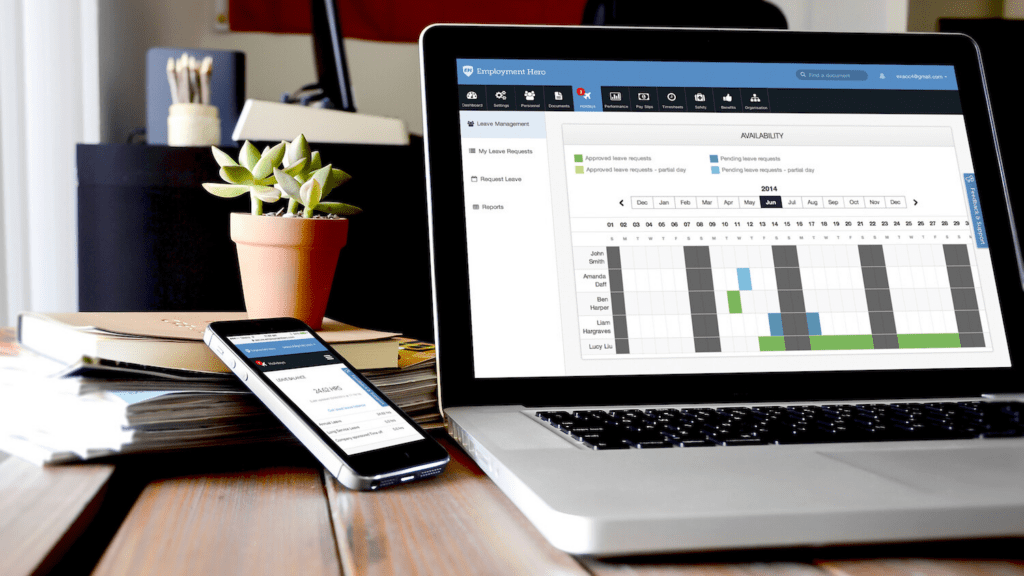
Cloud accounting refers to online financial management systems that store data securely on encrypted servers rather than on a single device or local software installation.
But technology alone isn’t the advantage.
What makes cloud accounting effective for UAE businesses is:
- Real-time bank reconciliation
- Automated VAT tracking
- Structured expense categorisation
- Multi-entity visibility
- Full audit trails
For businesses operating across mainland and free zone entities, or those managing cross-border payments, this centralisation matters.
You are no longer chasing data. You are analysing it.
Can Cloud Accounting Work for UAE Startups?
Yes, and often better than traditional accounting systems.

Startups in Dubai or Abu Dhabi typically face:
- Limited internal finance teams
- Rapid scaling
- Investor reporting requirements
- Banking compliance reviews
Cloud accounting allows founders to monitor cash flow daily, track receivables accurately, and prepare financial summaries without relying entirely on manual processes.
It also supports early tax discipline; critical now that corporate tax compliance applies even to smaller mainland entities crossing the AED 375,000 threshold.
Many founders underestimate this. By the time tax registration deadlines approach, financial records are often inconsistent. Fixing historical books costs more than maintaining them properly from day one.
Can Cloud Accounting Work for Free Zone Companies?
Free zone entities claiming 0% corporate tax on qualifying income must demonstrate eligibility clearly.
This means:
- Segregated income tracking
- Clear expense allocation
- Proper documentation retention
Without structured financial records, proving qualifying income becomes complicated.
Cloud accounting simplifies this through defined revenue streams and cost centres. It also prepares businesses for potential audits, which are becoming more procedural and data-driven.
Mainland SMEs: Where Cloud Accounting Becomes Critical
For mainland SMEs, cloud accounting is less about convenience and more about risk mitigation.
In 2026, mainland companies face:
- Corporate tax filing requirements
- VAT compliance obligations
- Increased transaction monitoring by banks
- Periodic financial reviews for credit facilities
Cloud systems reduce human error in tax calculations and improve reporting clarity. They also make monthly bookkeeping discipline achievable.
If you’re unsure how frequently records should be updated, this guide on bookkeeping frequency in Dubai explains the operational risks of delays:
How Often Bookkeeping Should Be Updated in Dubai — 2026 Guide for Businesses
Outdated books are one of the most common red flags in compliance reviews.
Compliance in 2026: Audit Readiness Is the New Standard
The UAE financial environment has shifted from reactive to preventative regulation.
Authorities and banks now expect businesses to be audit-ready at all times.
Typical documentation requests include:
- VAT returns with reconciled sales data
- Corporate tax computation breakdowns
- Trial balances and general ledgers
- Supporting invoices for major transactions
Cloud accounting systems provide:
- Instant exportable reports
- Time-stamped audit trails
- Transaction histories with user tracking
- Automated reconciliation logs
This level of transparency reduces regulatory friction and accelerates banking approvals.
For businesses opening or maintaining corporate bank accounts, this matters. After facilitating over 1,500 corporate banking cases, we’ve consistently seen clean financial records significantly reduce compliance queries.
Is Cloud Accounting Required by Law in the UAE?
No. Cloud accounting is not legally mandatory in the UAE. However, maintaining proper financial records under Corporate Tax Law is mandatory. Cloud accounting simply makes compliance easier and more defensible.
Security Concerns: Is Cloud Accounting Safe for UAE Businesses?
Data security is a valid concern.
However, reputable cloud accounting systems use:

- Bank-level encryption
- Multi-factor authentication
- Role-based access controls
- Secure data backups
In many cases, cloud systems are more secure than locally stored spreadsheets vulnerable to device theft or internal misuse.
The key is selecting properly vetted platforms and configuring user access carefully.
Where Cloud Accounting Fails (And Why)
Cloud accounting does not fail because of technology.
It fails because of:
- Poor chart-of-accounts design
- Incorrect VAT mapping
- Improper corporate tax treatment
- Inconsistent bookkeeping updates
- Lack of financial oversight
We’ve seen businesses migrate to cloud systems only to recreate spreadsheet-level errors digitally.
Implementation strategy matters more than software choice.
With more than 3,500 businesses structured and operationalised over the past five years, one pattern is consistent: businesses that treat accounting as a compliance foundation grow faster and face fewer regulatory setbacks.
FAQ: Can Cloud Accounting Work for UAE Businesses?
Is cloud accounting compliant with UAE corporate tax law?
Yes, when configured properly to maintain accurate financial statements and audit trails aligned with Federal Tax Authority requirements.
Do small businesses in Dubai need cloud accounting?
While not mandatory, it significantly reduces compliance risks and improves financial visibility.
Can cloud accounting integrate with UAE banks?
Many systems allow bank feed integration, but mapping and reconciliation must be set up correctly.
Is cloud accounting enough to handle VAT and corporate tax filings?
It supports preparation, but professional oversight ensures calculations reflect UAE-specific regulations.
So, can cloud accounting work for UAE businesses?
Yes. If itThe Bottom Line
is treated as compliance infrastructure rather than just bookkeeping software.
In today’s UAE regulatory climate, businesses that rely on fragmented spreadsheets expose themselves to:
- Audit delays
- Banking disruptions
- Tax miscalculations
- Cash flow blind spots
Cloud accounting, implemented strategically, transforms financial management into a growth enabler.
Over the past five years, supporting 5,000+ visa processes, 1,500+ corporate bank accounts, and hundreds of real estate-backed structures, one lesson remains constant for us: financial clarity protects momentum.
If your books are not structured for 2026’s compliance environment, now is the time to realign.
Strong accounting isn’t an expense. It’s operational insurance.
If you’re evaluating whether cloud accounting is right for your UAE business, or if your current setup feels unstable, a structured review with HA Group can prevent costly corrections later.
Recommended Articles:
How Often Bookkeeping Should Be Updated in Dubai — 2026 Guide for Businesses
What Happens if Bookkeeping Is Not Maintained in UAE — The Definitive 2026 Guide for Businesses
Which Accounting Standards Are Followed in UAE? A 2026 Expert Perspective for Business Owners
How to Prepare for VAT Inspection in UAE
Why Every Startup Should Outsource VAT Filing in Dubai (2026 Guide)