Global trade and supply chains have faced increasing volatility recently, prompting many entrepreneurs to look for stable, well-regulated markets to launch and expand their businesses.
The UAE has continued to position itself as one of the region’s most resilient economies, supported by strong logistics infrastructure, pro-business regulations, and long-term economic diversification strategies. Recent coverage of global shipping risks around the Strait of Hormuz also highlights the strategic importance of the UAE’s ports and trade corridors
As a result, Dubai remains a leading destination for trading companies looking to access markets across Asia, Europe, and Africa. One of the most common questions entrepreneurs ask when setting up a company is: Is a warehouse mandatory for a trading license in Dubai?
The answer depends on factors such as the type of trading activity, licensing jurisdiction, and whether your business will store goods locally. This guide explains the actual requirements and practical considerations for trading licenses in Dubai.
Understanding Trading Licenses in Dubai
A trading license (commercial license) allows companies to import, export, distribute, and sell goods in the UAE.
In Dubai, these licenses are issued by two main authorities:
- Dubai Department of Economy and Tourism (DET) for mainland companies
- Free zone authorities such as DMCC, JAFZA, Dubai South, and Meydan Free Zone
Businesses can apply through the official government portal Invest in Dubai.
Under a trading license, companies may legally conduct activities such as:
- Import and export goods
- Wholesale trading
- Retail trading
- Distribution and supply
However, the activities you can perform depend on the exact activity codes listed on the trade license. Details of these activities are defined in the UAE National Economic Register and the DET system (explained here: Dubai General Trading Licence: Activities & Cost).
Is a Warehouse Mandatory for a Trading License in Dubai?
No — a warehouse is not mandatory for every trading license in Dubai.

In many cases, companies can start operations with:
- a small office
- a flexi-desk
- a virtual office package
- or third-party logistics support
For example, many free zones allow a “license-only” setup without warehouse space, allowing entrepreneurs to start trading and add logistics facilities later if required.
However, a warehouse becomes necessary if the company plans to store goods or manage inventory locally.
When a Warehouse Is Required
Although it is not mandatory for every trading license, authorities may require a warehouse in certain situations.
1. Inventory Storage
If your company stores goods in the UAE before distribution or sale, you must use approved storage facilities.
Authorities require storage areas because office spaces are not legally permitted to store commercial inventory, especially in mainland zones.
2. Wholesale Distribution
Businesses that buy goods in bulk and distribute them to retailers often require warehouse facilities for:
- inventory storage
- packaging
- dispatch operations
3. Logistics and Supply Chain Operations
Companies involved in logistics, freight forwarding, or fulfillment usually require licensed warehouses.
Warehouses used for distribution must meet safety requirements set by authorities such as:
- Dubai Municipality
- Dubai Civil Defence
- Free zone regulators
Requirements typically include zoning approval, safety systems, and loading facilities.
4. Regulated Products
Certain industries require specialized storage facilities.
Examples include:
- food products
- pharmaceuticals
- chemicals
- cosmetics
These goods often require temperature control, hygiene inspections, or hazardous material approvals.
Mainland vs Free Zone Requirements
Whether you need a warehouse can also depend on where your company is registered.

Mainland Trading Companies
Mainland companies licensed by the Dubai Department of Economy and Tourism must have a physical registered address.
Typically this means:
- an office
- a commercial workspace
- or a business center facility
In many cases, mainland businesses begin with an office of around 200 sq ft, which satisfies regulatory requirements without needing warehouse space immediately.
A warehouse becomes necessary only when:
- the company stores inventory
- distribution operations begin
- logistics services are offered
Free Zone Trading Companies
Free zones provide more flexible options, which is why many startups choose them.
Many Dubai free zones offer:
- flexi-desk licenses
- license-only setups
- shared office facilities
This means businesses can start trading without leasing warehouse space initially.
Later, companies can rent warehouses within the free zone or partner with logistics providers.
This flexibility is particularly useful for:
- e-commerce businesses
- dropshipping companies
- international trading firms
Trading Without a Warehouse: Modern Business Models
Many modern businesses operate successfully without owning a warehouse.
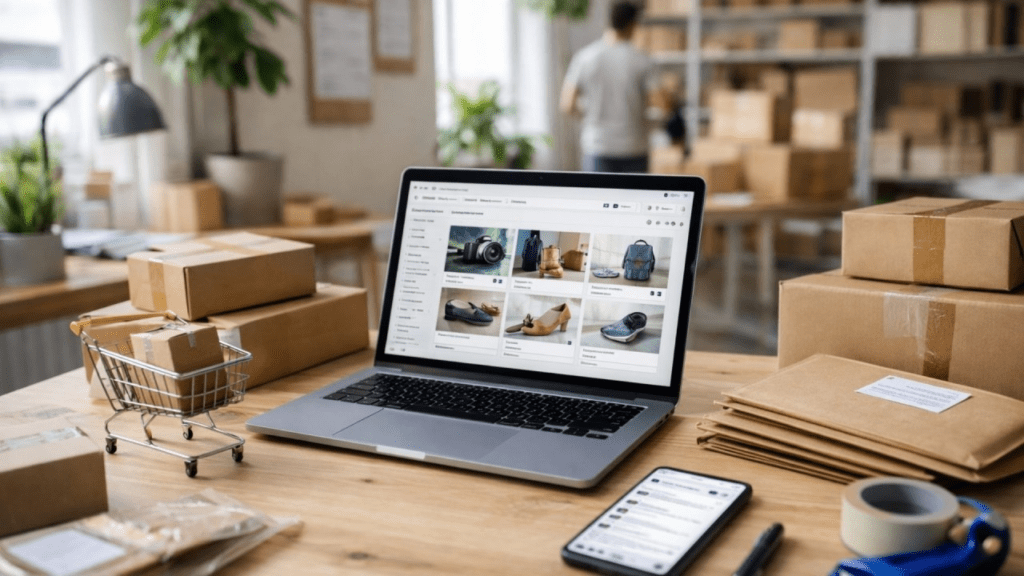
Dropshipping
In dropshipping, products are shipped directly from suppliers to customers, eliminating the need for inventory storage.
International Trade Brokerage
Some companies act as intermediaries between global buyers and suppliers without handling goods physically.
Third-Party Logistics (3PL)
Businesses may outsource warehousing and fulfillment to logistics providers.
These providers manage:
- storage
- packing
- shipping
- returns
Dubai’s logistics sector supports thousands of such companies, making it easier for startups to operate with minimal infrastructure.
Warehouse Regulations in Dubai
If your business requires a warehouse, there are specific regulations.
Warehouses must typically be located in designated industrial zones, such as:
- Al Quoz
- Jebel Ali
- Dubai Investment Park
- Dubai South
Authorities restrict warehouse operations in residential and commercial office zones for safety and zoning reasons.
Additionally, businesses must obtain approvals from relevant authorities depending on the goods being stored.
Why Dubai Is a Global Trading Hub
Dubai’s position between major global markets makes it an ideal place for trading businesses.
Key advantages include:
- Access to Jebel Ali Port (one of the world’s largest container ports)
- Advanced logistics infrastructure
- Strong customs framework
- Strategic location between Europe, Asia, and Africa
- Pro-business regulations
These advantages have helped Dubai become a leading destination for entrepreneurs. If you are exploring opportunities in the region, this article explains why many founders choose Dubai for launching startups: Why Dubai Is Best For Startup Founders In Middle East In 2026
Common Misconceptions About Trading Licenses
Myth 1: Every trading company must rent a warehouse
This is false. Many businesses start with office space only.
Myth 2: You must rent a warehouse before getting a license
In most cases, you can add warehouse facilities later as the business grows.
Myth 3: Free zone companies always need storage facilities
Many free zones allow license-only setups with no warehouse requirement.
Myth 4: Warehouses can be located anywhere
Warehouses must be located in approved industrial zones and comply with municipal regulations.
FAQs
Is a warehouse mandatory for a trading license in Dubai?
No. A warehouse is not mandatory for every trading license in Dubai. It becomes necessary only if your business involves storing goods, running logistics operations, or distributing products locally.
Can I start a trading company without a warehouse?
Yes. Many businesses start with:
- office space
- flexi-desk setups
- third-party logistics providers
A warehouse can be added later as the company grows.
Do free zone companies need warehouses?
Not necessarily. Many free zones allow businesses to operate with flexi-desk or license-only packages before renting warehouse space.
What is required to obtain a trading license in Dubai?
Typical requirements include:
- trade name registration
- business activity approval
- shareholder documents
- office or flexi-desk address
- licensing approval from the relevant authority
Final Thoughts
So, is a warehouse mandatory for a trading license in Dubai?
In most cases, no — it depends on the business model.
Many entrepreneurs begin with small offices or flexi-desk licenses, especially when running:
- import-export companies
- e-commerce businesses
- international trading firms
Warehouses become necessary only when the business needs inventory storage, distribution facilities, or regulatory approvals for specific products.
Understanding these requirements early helps entrepreneurs avoid unnecessary costs and scale their business more efficiently.
Start Your Dubai Trading Company with HA Group
Setting up a trading business in Dubai involves choosing the right jurisdiction, activity codes, and operational structure.
At HA Group, we help entrepreneurs with:
- company formation in mainland or free zones
- trading license approvals
- warehouse and logistics solutions
- banking and VAT registration
If you are planning to start a trading business in Dubai, our team can guide you through the fastest and most cost-effective setup process.
Speak with the HA Group team for expert assistance in launching your Dubai business.
Recommended Articles:
Can One Person Start a Company in Dubai?- A Must Read for Entrepreneurs
Can a Home ‑ Based Business Be Registered in Dubai? A 2026 Reality Check
How Many Visas Can a New Company Get in Dubai in 2026? A Reality Check
Which Free Zone Is Best for Starting a New Company in UAE?
What Are Benefits of Free Zone Company in Dubai — and Why It Matters in 2026