Opening a corporate bank account in Dubai can be one of the trickiest steps for entrepreneurs. Especially if you don’t yet have an Emirates ID. Many business owners who’ve just set up a company or are still waiting for their residence visa face this problem. The reality is simple: in most cases, you cannot fully activate a corporate bank account without Emirates ID, but you can still begin the process depending on your company setup, documentation, and bank assessment.
This guide breaks down what is actually possible in 2026, based on the latest UAE banking policies and real-world experience assisting hundreds of clients at HA Group.
Why Banks Ask for Emirates ID
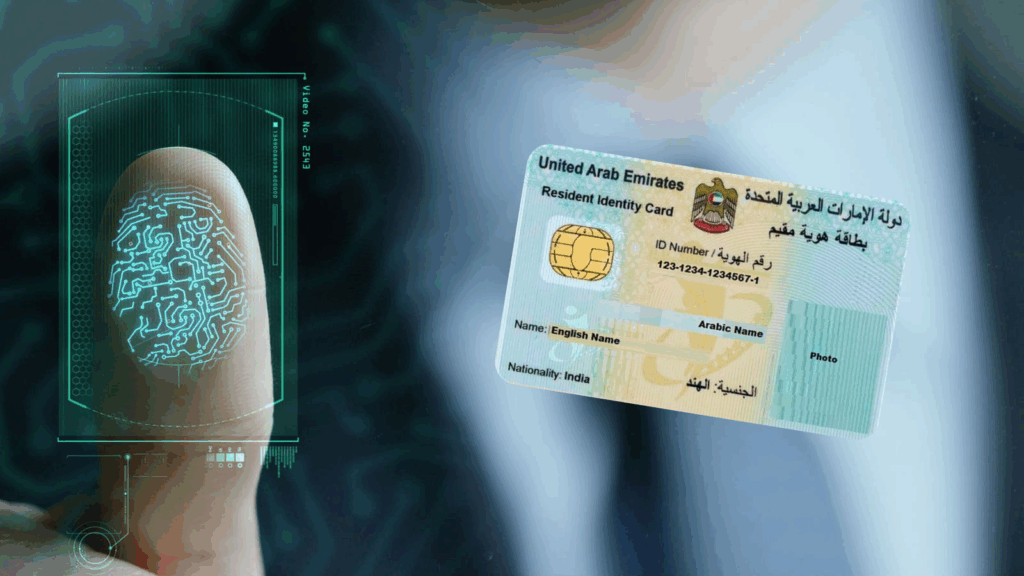
The Emirates ID is the main identity document in the UAE. Banks use it to verify identity, residency status, and to complete mandatory KYC (Know Your Customer) and AML (Anti-Money Laundering) checks.
According to UAE banking regulations, Emirates ID is a key requirement for verifying any individual who will operate or control a bank account inside the country.
However, there is an important distinction: corporate accounts are opened for companies, not individuals. Still, banks usually require at least one UAE-resident authorised signatory with an Emirates ID to proceed with full onboarding and activation.
So while non-residents can own companies, the banking system still relies heavily on a resident-linked identity to reduce risk and complete compliance checks.
Can You Open a Corporate Bank Account Without Emirates ID?
In most cases, UAE banks require at least one authorised signatory with a valid Emirates ID to open and activate a corporate bank account.
While non-residents can own UAE companies, corporate account approval without an Emirates ID is very limited and always subject to strict bank compliance and case-by-case review.
In practice, most banks will not proceed with full corporate account activation until at least one UAE-resident signatory with an Emirates ID is available on the file.
What can happen in some cases is partial onboarding or initial review using passport and company documents, but the account usually remains inactive until residency is completed.
Typical Scenarios Where It’s Possible
Below are the most common situations where a bank account opening without Emirates ID in Dubai may still move forward in the early stages:
1. Newly Established Free-Zone Companies
If your company is newly incorporated and you are still waiting for your residency visa and Emirates ID, some banks may begin the application using your passport, trade licence, and corporate documents. However, final activation is typically held until Emirates ID is issued.
2. Non-Resident Shareholders
Foreign shareholders can fully own UAE companies, and their identity is verified through passports and corporate documentation. However, most banks still require a UAE-resident authorised signatory before activating the account.
3. Companies with a Resident Signatory
If at least one authorised signatory already has an Emirates ID, the process becomes significantly smoother. The bank can proceed with account opening while still listing non-resident shareholders in the structure.
What Documents You’ll Need
Even without an Emirates ID, banks will ask for a fairly detailed set of documents to meet UAE Central Bank compliance requirements:
- Trade licence (valid and active)
- Certificate of incorporation and Memorandum of Association
- Board resolution authorising account opening
- Passports of all shareholders and authorised signatories
- Proof of business activity (contracts, invoices, or business plan)
- Bank reference letter or six-month statement (if available)
- Utility bill or tenancy contract for proof of address
Most UAE banks, including Emirates NBD and ADCB, will not fully activate the account until both identity and business activity are properly verified.
This is why preparation matters more than anything else in this process. Missing or inconsistent documents are one of the biggest reasons for delays.
Challenges to Expect
Opening a corporate bank account in Dubai without Emirates ID comes with clear limitations and delays that most applicants underestimate:
1. Stricter KYC and Due Diligence
Banks will apply enhanced checks on ownership structure, business activity, and source of funds. Expect deeper scrutiny than standard applications.
2. Higher Minimum Balances
In most cases, without at least one UAE-resident authorised signatory holding an Emirates ID, the application cannot move to final approval.
3. Longer Processing Time
While normal corporate accounts may take 2–3 weeks, non-standard cases can take 6–8 weeks or longer depending on compliance review.
4. Limited Services
Even if an account is opened at an early stage, services like cheque books, credit facilities, and trade finance may remain restricted until Emirates ID is provided.
How to Improve Your Chances of Approval
If you are applying for a corporate bank account without Emirates ID, a few factors can significantly improve your chances:
Choose the right jurisdiction: Free zones like DMCC, IFZA, or similar well-recognised setups are generally easier for banks to assess.
Provide complete documentation: Missing paperwork is one of the fastest reasons for rejection or delay.
Show real business activity: Contracts, invoices, and a working business model make a strong difference.
Maintain transparency: Be clear about ownership structure, expected transactions, and business operations.
Work with a local advisor: Experienced teams like HA Group can help pre-screen your application and match you with suitable banks.
Banks That Commonly Work with Non-Resident Companies
While policies change frequently, the following banks are commonly used for corporate accounts in such cases:

- Emirates NBD – strong corporate banking framework for established Free Zone companies
- ADCB – structured onboarding process with detailed compliance review
- RAKBANK – often used for SMEs with clear business activity
Each application is reviewed individually, and approval always depends on compliance checks rather than bank name alone.
Step-by-Step Overview
- Form your company in a UAE Free Zone or Mainland
- Gather all corporate documents
- Appoint a UAE-resident authorised signatory (if available)
- Select a suitable bank based on your business profile
- Submit pre-approval application
- Attend compliance review or provide additional documents if requested
- Deposit minimum balance after approval
- Update Emirates ID details once residency is issued
FAQ
Can I open a UAE corporate account without Emirates ID?
In most cases, UAE banks require at least one UAE-resident authorised signatory with a valid Emirates ID before a corporate account can be activated.
Do all shareholders need Emirates ID?
No. Only authorised signatories or UAE-resident operators require it. Foreign shareholders can remain part of the structure using passport verification.
Will Emirates ID be required later?
Yes. In most cases, banks will request Emirates ID once residency is completed to fully activate services.
Final Thoughts
Opening a corporate bank account in Dubai without Emirates ID is not fully straightforward and is limited by strict banking compliance rules. While non-residents can own UAE companies, most banks still require at least one UAE-resident authorised signatory to activate the account.
At HA Group, we see the process work best when companies prepare early, structure correctly, and align documentation with bank expectations from the start.
If you’re planning your setup, the key is not just company formation—it’s preparing your banking structure alongside it.
Rcommended Articles:
Dubai Corporate Tax New Rules 2025: What Businesses Need to Know
Can a Tourist Open a Bank Account in Dubai?
Common Challenges in Opening Business Bank Accounts in UAE
Documents Required to Open a Business Account in Dubai – 2025 Guide
How Long Does It Take to Open a Business Bank Account in Dubai in 2025?